Product Designer
Rasmus Thimm
With 15+ years across startups, scaleups, and publicly listed companies, I draw on a broad, hands-on palette of research methods, experiments, and design practices – always grounded in curiosity, empathy, and a commitment to creating experiences that genuinely help people.
Design Processes
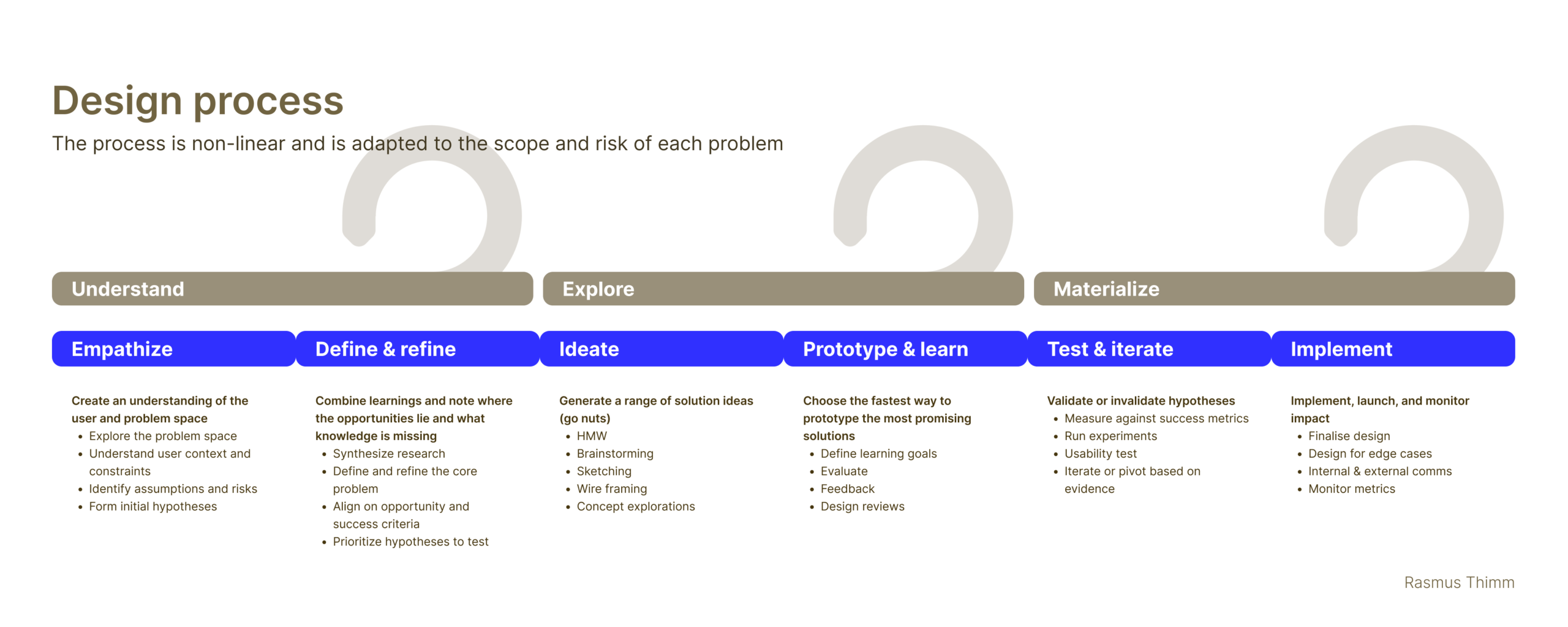
Over time, I’ve shaped a design process that prioritizes learning, alignment, and outcomes over rigid steps. It’s non-linear by design and flexes based on the risk, scope, and context of the problem we’re solving.
Selected work
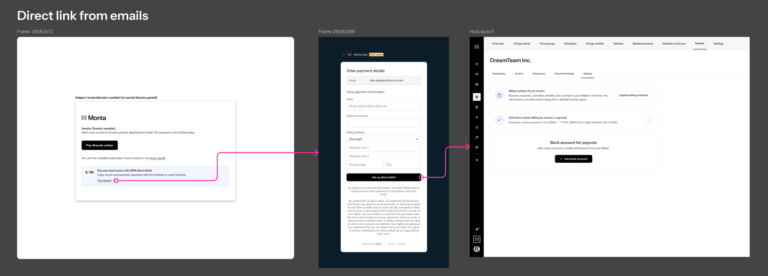
Designing for Payment Feature Adoption
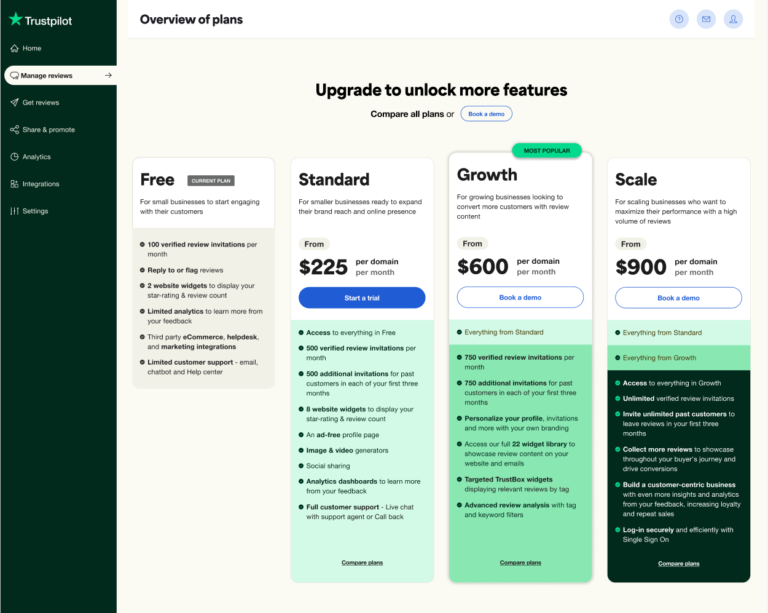
Improving plans overview page
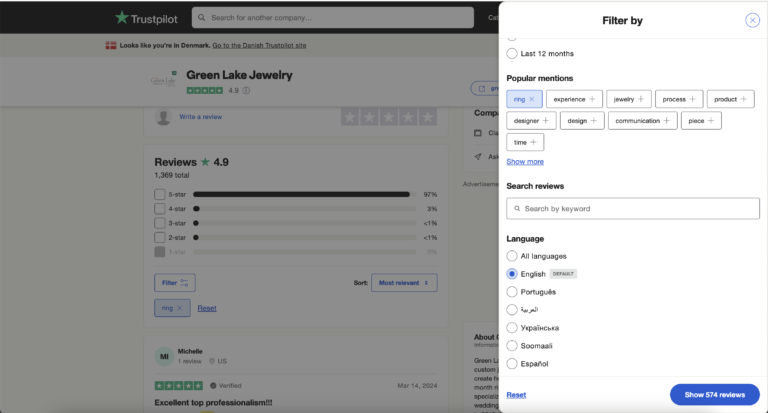
Rapid Discovery
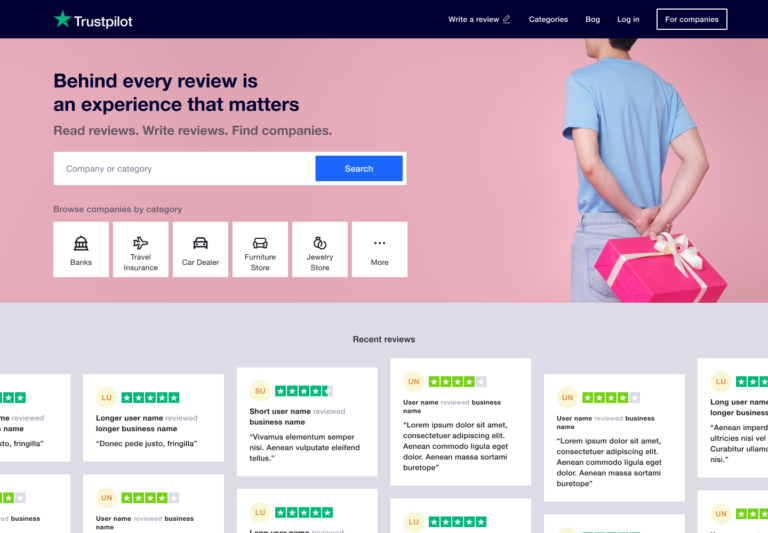
Global review editor
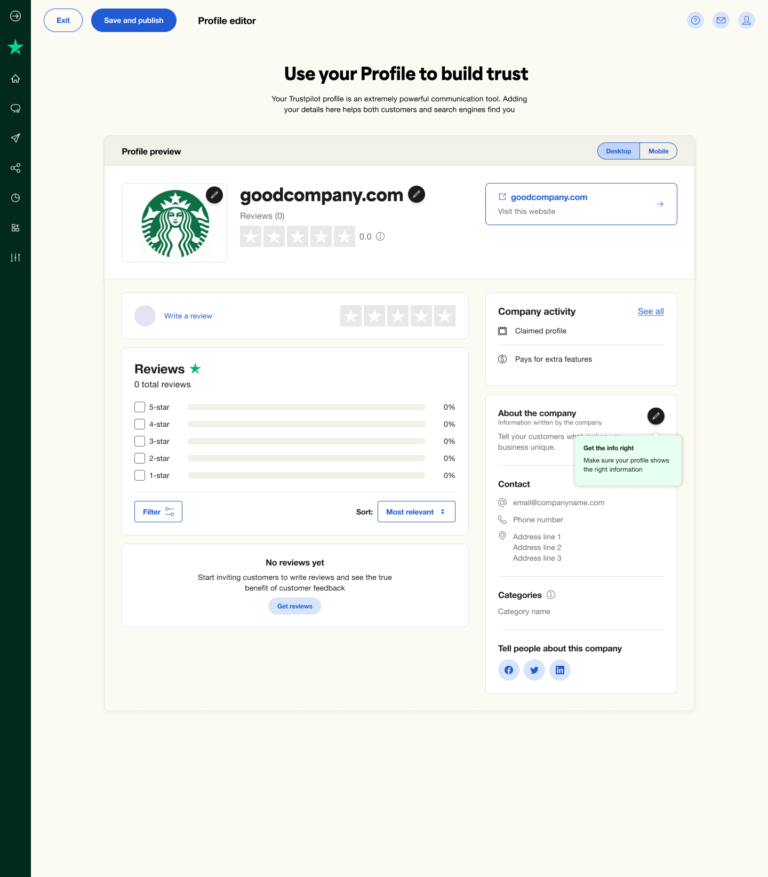
Company profile design sprint
Methods I use in practice
Research
Guerrilla testing, usability testing, hybrid research interview, moderated and unmoderated tests, summarizing and communicating learnings, A/B split testing and experimenting, data analysis and interpretation.
Strategy
Ideating, vision, strategy and concept development, stakeholder management, opportunity/risk assessment, Problem framing, Prioritization and trade-off decisions, Defining and tracking success metrics, Post-launch learning and iteration.
UI Design and Prototyping
User flows, diagrams, wireframing and high-fidelity mockups, paper prototyping, clickable prototypes, and card sorting. Currently, my preferred tools are Figma and Miro but I am pretty agnostic and have worked with plenty of other tools in the past.
Collaboration
Involving the product team and stakeholders in the learnings, ideation, and decision process. Facilitation of workshops, presentations, and design critiques
Methodologies
Product Discovery, User Journey Mapping, Lean User Experience Design, Design Sprint, Dual-track Development, Agile Software Development, Scrum, Kanban etc.